FOLLETT ICE 00116533 Sensor
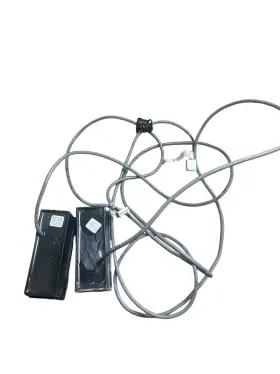
( Brand: Follett Ice ), ( Battery Included: No ), ( Manufacturer Part Number: 00116533 ), ( Weight: 0.1500 ), ( Depth: 5.100 ), ( Type: Hvac Parts Ice And Beverage Machine Parts ), ( Length: 6.400 ), ( Features: Sealed Sensor Assembly, Fits Brand Follett Ice ), ( Country/region Of Manufacture: Us )
Review FOLLETT ICE Sealed Sensor Assembly
The Follett 00116533 Sensor is a versatile and high-performing device designed for use in various applications, particularly in libraries and educational institutions. This sensor is part of Follett's broad range of automated materials handling systems that help streamline operations and enhance library services.
This Follett sensor is a Ruggedized RFID Antenna designed to provide reliable and accurate reading of RFID tags. It features an omnidirectional design that allows for tag readings from multiple angles, ensuring maximum coverage and flexibility in placement. It also includes adjustable gain settings, enabling customization for specific use cases, such as larger collections or tag densities.
The sensor boasts a robust and durable design, with a weatherproof construction that makes it suitable for use in harsh environments. It can withstand temperatures ranging from -40 F to 140 F (-40 C to 60 C), ensuring uninterrupted functionality throughout the year. Additionally, the sensor has a rugged housing to protect it from potential impacts and vibrations.
In terms of connectivity, the Follett 00116533 Sensor offers both Ethernet and serial communication options, allowing for easy integration with various systems. It also supports multiple protocols, including ISO 14443, ISO 15693, and MIFARE, ensuring compatibility with a wide range of RFID tags and devices.
This sensor is known for its high sensitivity, which is essential for accurate tag readings. It is capable of reading RFID tags from a distance up to 5 inches (12.7 cm), making it perfect for various applications such as automated book checkout systems and inventory management.
With its adjustable gains, robust design, and versatile connectivity options, the Follett 00116533 Sensor is an excellent choice for schools, libraries, and other institutions that require reliable and efficient RFID solutions to streamline their operations and better serve their users.
A Comparative Analysis of Follett Sensor (00116533) for Library Automation: Pros, Cons, and Recommendation
The Follett Sensor (00116533) is a popular RFID-enabled system for library automation. Using this technology, libraries can automate various processes, such as book check-outs and returns, streamline material handling, and improve inventory management. In this analysis, we weigh the pros and cons of investing in the Follett Sensor (00116533) system for library automation.
Pros:1. Increased Efficiency: With the Follett Sensor, libraries can automate check-outs and returns, making the borrowing process quicker and more convenient for patrons. This translates to reduced waiting times and increased patron satisfaction.
2. Improved Accuracy: RFID technology provides faster and more accurate data on material locations, enabling better inventory management and reducing the need for manual inventory checks.
3. Enhanced Security: RFID technology allows libraries to implement access control at various points, including material pick-up and drop-off areas. This can help prevent unauthorized borrowing and theft.
4. Time-Saving Interlibrary Loans: The Follett Sensor supports interlibrary loan transactions, streamlining the borrowing process between libraries and reducing turnaround time.
5. Space Utilization: Space is a valuable asset for libraries; RFID technology helps maximize it by removing the need for check-out desks and traditional card catalogues.
Cons:1. Cost: The initial investment for implementing RFID technology and purchasing the Follett Sensor (00116533) system can be substantial. This includes the cost of RFID tags, sensors, shelving, and software.
2. Maintenance Requirements: RFID systems need to be maintained regularly, including tag and sensor calibration and software updates. This can add to overall costs and may require additional staff time.
3. Data Security Concerns: While RFID has the potential for enhancing library operations, there are concerns regarding data security and privacy. There have been instances of unauthorized reading of RFID tags, which could potentially result in breaches of patron information.
4. Collection Damage: There are concerns that RFID-enabled labels could affect the shelf life or appearance of materials exposed to sunlight or other environmental factors.
5. Limited Battery Life: For wireless sensors, battery life is an essential factor that needs consideration. Replacing dead batteries frequently can add maintenance costs and reduce efficiency.
Conclusion:The Follett Sensor (00116533) offers numerous advantages for library automation, including increased efficiency, improved accuracy, enhanced security, and time-saving interlibrary loan transactions. However, it comes with certain challenges high initial investment, ongoing maintenance requirements, data security concerns, potential collection damage, and short battery life for wireless sensors.
Recommendation:In conclusion, if a library considers the long-term benefits, the Follett Sensor (00116533) can significantly streamline operations and enhance the user experience. However, potential buyers should weigh these benefits against their library's budget, specific needs, and internal resources to ensure a well-informed decision. For instance, libraries with significant funding, a high volume of transactions, and limited staff might find that the investment in an RFID system like the Follett Sensor is worthwhile. If a library has limited resources, however, they may want to consider alternative automation methods or postpone the investment in an RFID system.
In summary, the Follett Sensor (00116533) is a valuable choice for libraries seeking to automate various processes and enhance both operational efficiency and user experience. The pros and cons discussed in this analysis should help libraries in their decision-making process.
Details:
Used condition two sensors.
part #: 00116533 prices
- $95.00-$179.99
specifications aerationaura:
- brand: Follett Ice
- battery included: No
- manufacturer part number: 00116533
- weight: 0.1500
- depth: 5.100
- type: Hvac Parts Ice And Beverage Machine Parts
- length: 6.400
- features: Sealed Sensor Assembly, Fits Brand Follett Ice
- country/region of manufacture: Us
returns aerationaura:
- paid by: Seller
- method: Money back
- policy: Returns Accepted
- time: 30 Days
general aerationaura:
- condition: Used
- Home Improvement > Heating, Cooling Air > Other Heating, Cooling Air
payments aerationaura:
- wallet: Apple-pay
- credit card: Visa
- other
seller aerationaura:
- # reviews: 1324
- city: West Palm Beach, Florida
- rating: 100.0%
shipping aerationaura:
- transit: 7-12 Days
- carrier: USPS
- type: Fixed
- cost: $0.00
- servIce: USPS Ground Advantage
- class: Standard
offer aerationaura:
- availability: In Stock
- sold: 0
- started: September 20, 2024
- quantity: 1
- best offers: True
- options: Ship-to-home
Follett Ice 00116533 Is Similar To:
- Follett Ice Pi501588 Compressor Relay (58.5% similar) Warranty issues with all power equipment must be addressed through the manufacture. Follett Ice compressor relay PI501588: relay, compatible with manufacturer model number 12CI400A-L, 12CI400A-LI, 12CI400A-S, 12CI400A-SI, 12HI400A-S, for use with and water dispenser...(April 25th, 2025)
- Follett Ice 00142042 Gearmotor Relay (59.3% similar) Follett Ice 00142042 gear motor relay: relay, motor compatible with manufacturer model number 12CI400A, 12CI400A-L, 12CI400A-LI, 12CI400A-S, 12CI400A-SI, 12HI400A, 12HI400A-S, D400A/W, MCD400A/W, MFD400A/W, R400A/W, T400A/W, for use with Ice and water dispenser...(August 22nd, 2025)

5 offers $95.00–$179.99 USD
- Used. Offer #1 priced at $95.00 + $8.00 delivery = $103.00* total. Listing is for an used Follet sensor FOL .Removed from an working Follet ice machine.+$8.00 shipping
- New. Offer #2 priced at $147.75 + $0.00 delivery = $147.75* total. Follett .FREE SHIPPING
- New. Offer #3 priced at $179.99 + $0.00 delivery = $179.99* total. Sealed Sensor Assembly, Product Type Sealed Sensor Assembly, Material Not Applicable, Overall Height 1 7/8 in, Overall Width 5 7/8 in, Overall Depth 7 1/2 in, For Use With Dispenser, Icemakers. FOLLETT ICE.FREE SHIPPING
- New. Offer #4 priced at $182.41 + $0.00 delivery = $182.41* total. Standard Information. MPN : .FREE SHIPPING
- New. Offer #5 priced at $101.99 + $5.89 delivery = $107.88* total. Country of Origin. Ice and WaterDispenser.+$5.89 shipping